Regulating Generative Artificial Intelligence Conference
生成式人工智能監管會議
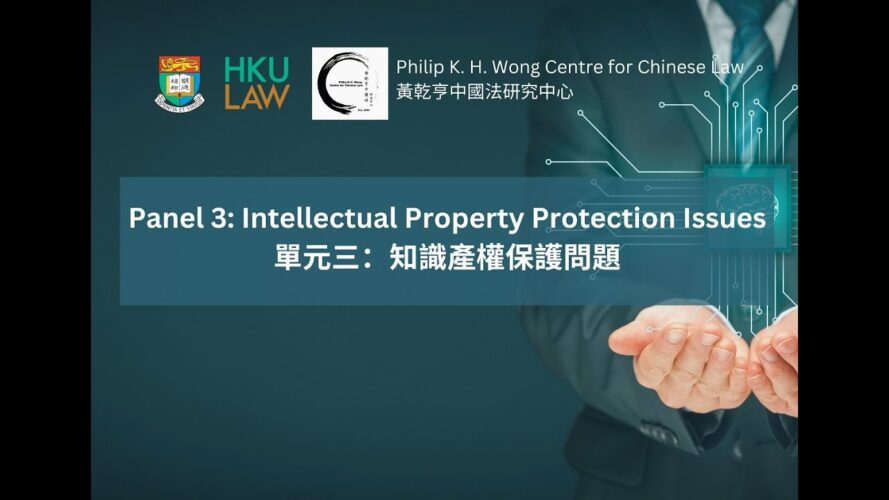
Panel 3: Intellectual Property Protection Issues
Generative AI produces new content by analyzing patterns from existing data, which could involve materials protected by intellectual property rights. Within China’s IP legal framework, does training generative AI using IP-protected works constitute copyright infringement or fall under “fair use” exemptions? Can AI-generated content be copyrighted in China, and who may be entitled to such rights? Are there any judicial, administrative actions or legislative activities providing preliminary insights into these issues? What steps have AI companies taken to reduce IP infringement risks, and what do they perceive as the greatest challenges?
Speakers:
Ping Zhang (Professor of Law, Peking University)
Jing He (Partner, GEN Law Firm)
Winnie Yeung (Director of Legal and Corporate Affairs, Microsoft)
William Fisher (WilmerHale Professor of Intellectual Property Law, Harvard University)
單元三:知識產權保護問題
生成式人工智能通過分析訓練數據中的模式來生成新內容,而這些訓練數據可能包含受知識產權保護的信息。 在中國知識產權法律框架下,使用受版權保護的作品訓練人工智能是否構成侵權行為,還是屬於 “合理使用” 從而免責?人工智能生成的內容在中國能否獲得版權保護,誰又將享有這一權利?中國是否已有立法、司法或行政活動為這些問題提供初步解答?為了降低知識產權侵權風險,中國的人工智能公司採取了哪些措施,並面臨哪些主要挑戰?
講者:
張 平 (北京大學法學院教授)
何 菁 (己任律師事務所合夥人)
楊長華 (微軟大中華區公共及法律事務部總法律顧問)
William Fisher (哈佛大學法學院知識產權法教授)
Philip K.H. Wong Centre for Chinese Law (香港大學法律學院黃乾亨中國法研究中心) at The University of Hong Kong promotes legal scholarship with the aim to develop a deeper understanding of China and facilitate dialogue between East and West. For more information, visit: https://www.ccl.law.hku.hk/